What routine checks can show
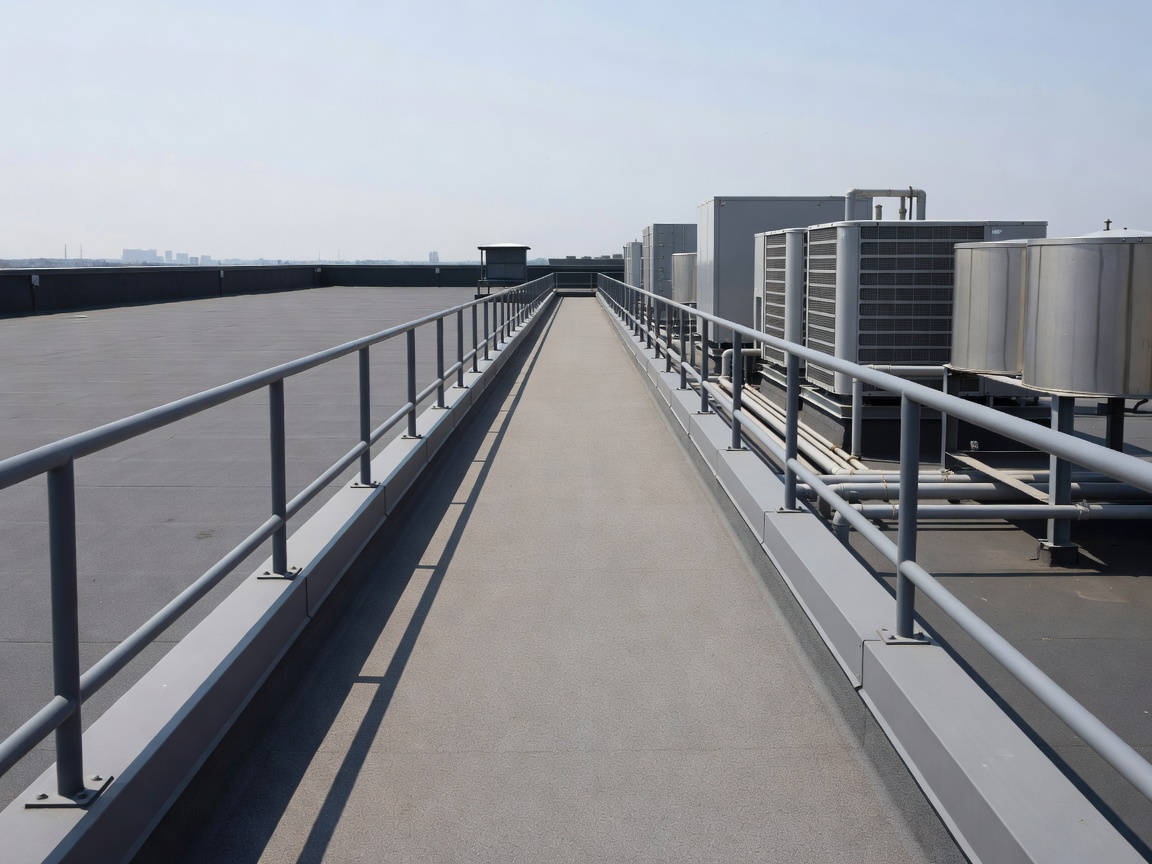
Visual checks are a practical part of keeping roof access systems known and usable. Look at the route, ladder, walkway, platform, guardrail and surrounding roof condition from a safe location and within the limits of your role. Look for corrosion, loose or damaged components, impact, standing water, blocked drainage, surface deterioration and changes to adjacent equipment.
Pay attention to interfaces. A walkway may still look intact while its approach has changed because plant, cabling or roof work has been added. A guardrail may be visually complete while a gate, transition or access point is no longer coordinated with the route.
Visual inspection is not repair
A visual inspection is an observation and recording activity. It is not a substitute for professional inspection, engineering review or repair. Do not climb, dismantle, tighten, alter or test components unless you are authorised, trained and operating under the appropriate project controls. Escalate concerns to a qualified professional.
Records support decisions
Use dated notes, photographs and a simple location reference. Record what was seen, what changed, who reviewed it and what follow-up was requested. Environmental exposure, building alterations and maintenance frequency can all influence the programme. Replacement may be more appropriate than continued repair where components are damaged, obsolete or no longer compatible with the roof.
Practical maintenance checklist
- Review access points, routes, landings and work areas.
- Look for corrosion, impact, distortion or loose-looking parts.
- Check visible walkway and platform surfaces for deterioration.
- Observe guardrails, gates, transitions and edge conditions.
- Note drainage, debris, roof changes and environmental exposure.
- Photograph and date findings, then escalate concerns safely.
Plan the next review
Maintenance planning should reflect the building, access frequency, environment and system history. A documented schedule is useful, but an unusual event such as severe weather, impact or roof refurbishment may justify an earlier professional review.